

LOWDOWN: Our hideous task
An ominous interlude, a vacated film set, candied roses and more
Hello sweethearts,
Another week, another scintillating segment from your favourite magazine. To those of you who are new: The LOWDOWN is our Monday newsletter. And it’s by far the most practical if you want tips on how to survive this city.
It’s also gorgeously short, since we know you have little time. We try to whittle it down to just three reviews and recommendations... which is tough in a place of infinite options like London.
Still, we go through this hideous task each week, grinding through the free meals, staring at art till our eyes bleed, dancing jerkily on blisters till the sun rises, all to bring you the best of the best (just kidding it’s a great job, and please, PR Gods, forgive our jests, we don’t want to be blacklisted!).
Today we’re adding something extra: it’s the debut of our interludes. These are prompts for starting conversations, or shower thoughts to mull over on your own. This week’s one is slightly sinister - it was scientifically engineered to wake you up faster than a triple-shot oat latte. It’s for your own good… your boss will be impressed by your alertness.
Good luck out there,
Nina-Sophia Miralles, editorial director x
THE LOWDOWN by LOST ART

Pro Tips: No Garden? No problem. Here’s how to grow your own pasta sauce.
Gardening: to us city folk this can seem like a mere dream. But I can make those pastoral daydreams a reality, for its far easier to get green-fingered in your flat than you think.
You probably have all the resources you need in your kitchen cupboard already, so below is a quick guide on how you can turn your windowsill into the verdant gift that keeps on giving all spring and summer long.
Pots: you don’t need to fork out for fancy pots. Jars, cans, milk and fruit cartons are all you need to get growing. Just make sure you can poke a couple holes in the bottom of your newly found vessel, to ensure the plants don’t get waterlogged and drown. Then, fill them with compost, and you’re ready to begin!
Tomatoes: Get a cherry tomato, cut it in half and place seed-side up in your compost. Cover with another centimetre or so of compost, and water well. Within a couple of weeks, green shoots will appear. The key to growing an abundance of tomatoes is to cut off any flowers, to ensure the plant puts more energy into tomato production.
Basil: get some packet basil from the supermarket and pick off the bottom leaves. Then places the stalks into a jar of water and within a week or so, new roots will appear. Leave it for another week or so, until there’s a plethora of growth, and then plant into compost. Tomatoes and basil really like each other’s company, and help each other to grow, so if you’re tight on space you can plant it into the same container as your tomato seedlings.
Alternatively, buy a plant from the supermarket and transfer it into a bigger pot at home. Make sure to keep the plant nice and trim, to encourage new growth, as supermarket Basil can be too tall for its own good.
Garlic: This one couldn’t be easier. Break off a large bulb from a head of garlic and place root-side down (so the pointy tip is facing upwards). Cover with about 5cm of compost, and within a week, shoots should appear. Once the foliage begins to turn yellow, it’s time to dig up your whole heads of garlic.
These are just a few of the many fruits and veggies you can grow on your windowsill – if you’re feeling inspired, we suggest following @joesgarden.official and @inthecottagegarden on Instagram for more.
‘A collection of atmospheres’: Dennis Severs’ House
By Nina-Sophia Miralles
The mood to visit: the whole place is a mood, so… anytime!
If you’ve been in London for yonks but you’ve never heard of Dennis Severs’ House, I won’t be surprised.
Of all the obscure and absurd attractions - from the boiled bones of a man nicknamed the ‘Irish Giant’ (Hunterian Museum) to a jar of Russell Crowe’s piss (The Last Tuesday Society) - Dennis Severs’ House is perhaps the most obscure and absurd.
But one of the best things about it, in contrast to the other strange spots, is that its weirdness doesn’t come with gore. There are no pickled body parts, nothing to make you wince. Instead, it is the sheer imagination and lofty beauty of the place that makes its oddity.
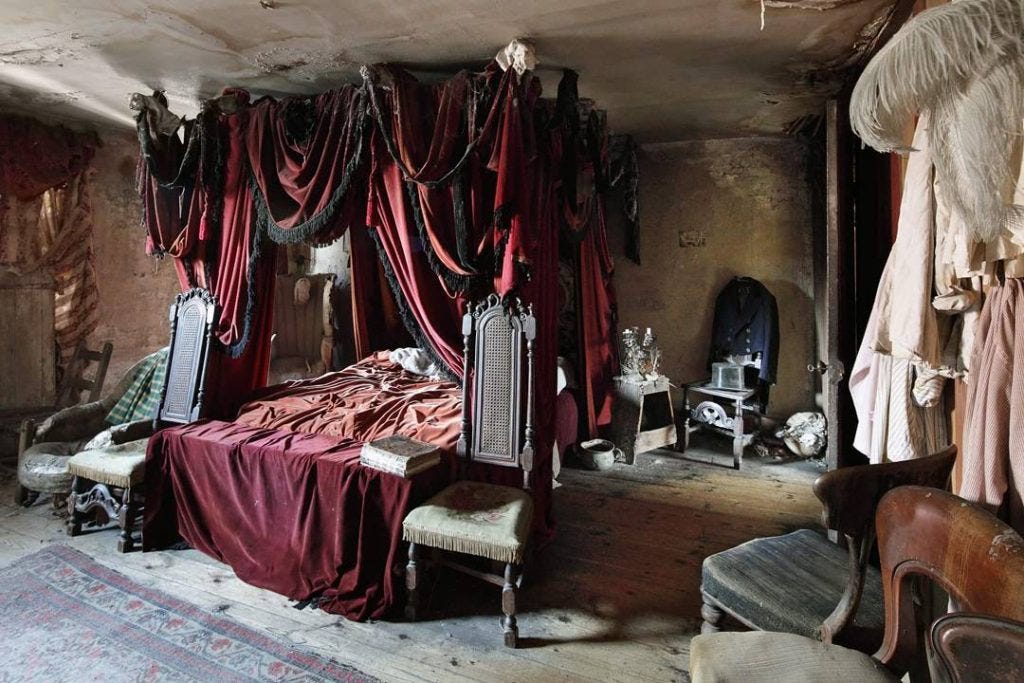
What we’re dealing with is a four-storey terraced house in Folgate Street, dating from the 1700s. It explores the lives of several generations of the Jervis family, originally Huguenot silk weavers settled in East London. Except… they never existed.
With its ticking clocks, unmade beds, odorous wafts, leftover plates and flickering lights, the entire house has been dressed to feel exactly as though the occupants have just left the room. It recreates faithfully 18th and 19th century realities, whilst producing what Dennis Severs’ himself called, ‘a collection of atmospheres’.
Delivering big time on historical drama, it’s like a vacated film set or a museum of stilled life or an estate agent viewing but with time travel. It’s also beloved by many great artists; David Hockney compared visiting Dennis Severs’ House to a night at the opera.
Ps. If you go this month, you’ll see Polish artist Karolina Merska’s astonishing chandelier using real blown eggs, created as an Easter installation.
WHERE: 18 Folgate St, E1 6BX
WHEN: Usually open on weekends only, please check calendar on the website for opening times. Admission starts at £16.00
WEBSITE: click here
Betel leaves & spiced lemonade: Curry on Naanstop at Soho Theatre
By Wang Sum the wolfishly hungry
The mood to visit: you’re looking for a pre-theatre snack or a casual meal but with punchy flavours

A little cup of yoghurt arrives on my table along with my starters, the waitress advising me to have some if the dishes are too fiery. Most dishes at Curry on Naanstop, the Soho Theatre’s new bar and restaurant, are enjoyably spicy, and I initially ignore this warning.
The keema pav, curried lamb served with toasted buns, is richly savoury, flecked with bitter-fragrant curry leaves; it’s my favourite dish of the meal. Papdi chaat, mashed potatoes seasoned intoxicatingly with chutneys, crispy vermicelli, pomegranate seeds, and more, is a surprise with every bite as its flavours and textures clash and collide.
Tasty and sturdily portioned, these versions of Mumbai street food classics are as energetic as the venue. Conveniently close to Tottenham Court Road station, photos from stage performances festoon the walls of the bar, and the sound of rock music is occasionally interrupted by PA announcements that theatregoers can take their seats.
None of these dishes demand the emergency yoghurt I’ve received… until I try the chicken lollipops, a heap of drumsticks covered in an ominous crimson sauce. If I were a cartoon character, flames would be spewing from my mouth and smoke pouring from my ears.
Thankfully, I recover in time for the chicken biryani, a fluffy bowl of spiced rice studded with hunks of chicken breast, though the masala dosa (curried potatoes in a crispy crepe, served with three sauces) is a less exciting potato dish compared to the fireworks of the papdi chaat. To wash down your meal, you can head to the bar, or order a mango lassi or shikanji, a spiced lemonade that’s tangy, minty, and ridiculously refreshing.
The flavour blast don’t stop at dessert. Curry On Naanstop offers meetha paan, a traditional mixture including betel leaves, fennel seeds, and candied rose petals, which you can have plain or coated in chocolate. Mysteriously aromatic, it’s the perfect end to a meal full of pleasant surprises.
WHERE: Soho Theatre, Dean St, W1D 3NE
WEBSITE: click here
AN INTERLUDE:
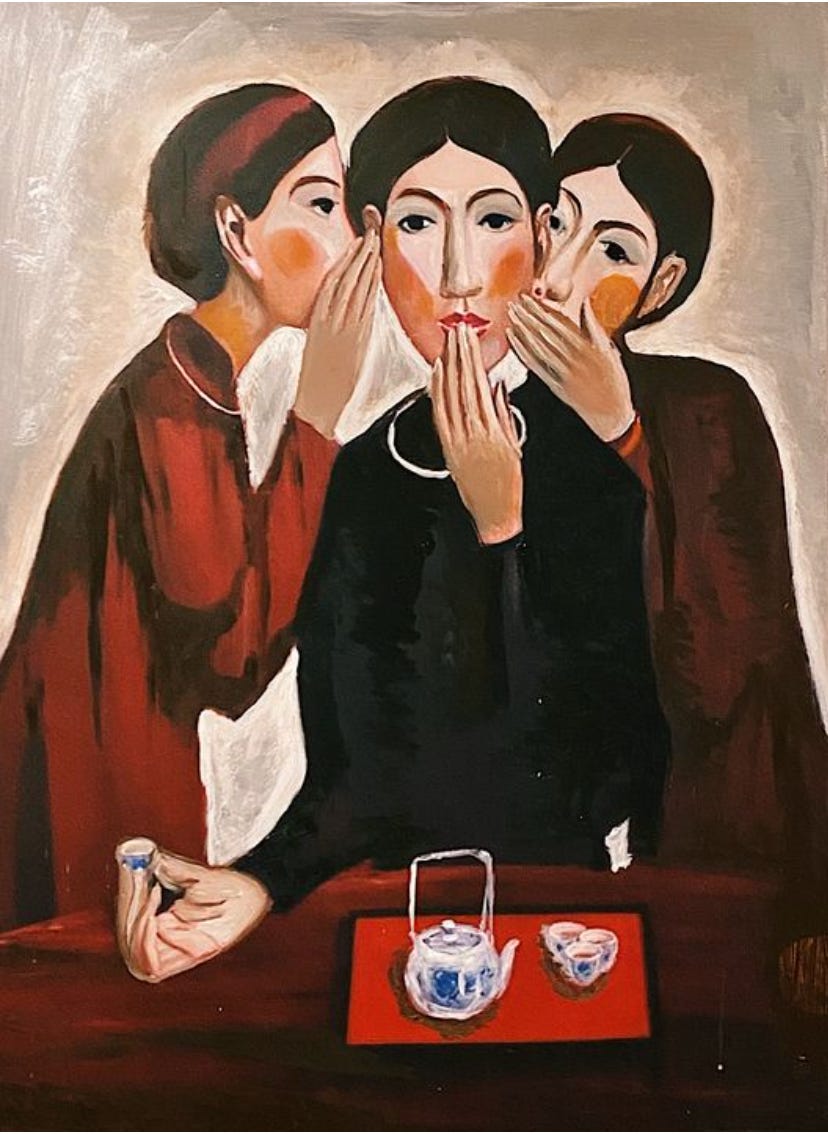
If you work in the creative industries, do you have friends or just friendly contacts? Discuss.
The Lost Art of June Mathis: Hollywood’s forgotten Innovator
Almost all directors during Hollywood’s silent film era were male, but ‘it is a significant fact that most of the best-known and most successful scenario writers are women’, June Mathis wrote in 1923.
Mathis knew what she was talking about. She became Hollywood’s highest-paid executive at 35. Not only that, but she’d scripted blockbusters like the war epic The Four Horsemen of the Apocalypse, which launched Rudolph Valentino to sex-symbol superstardom, and the 1925 adaptation of Ben-Hur.
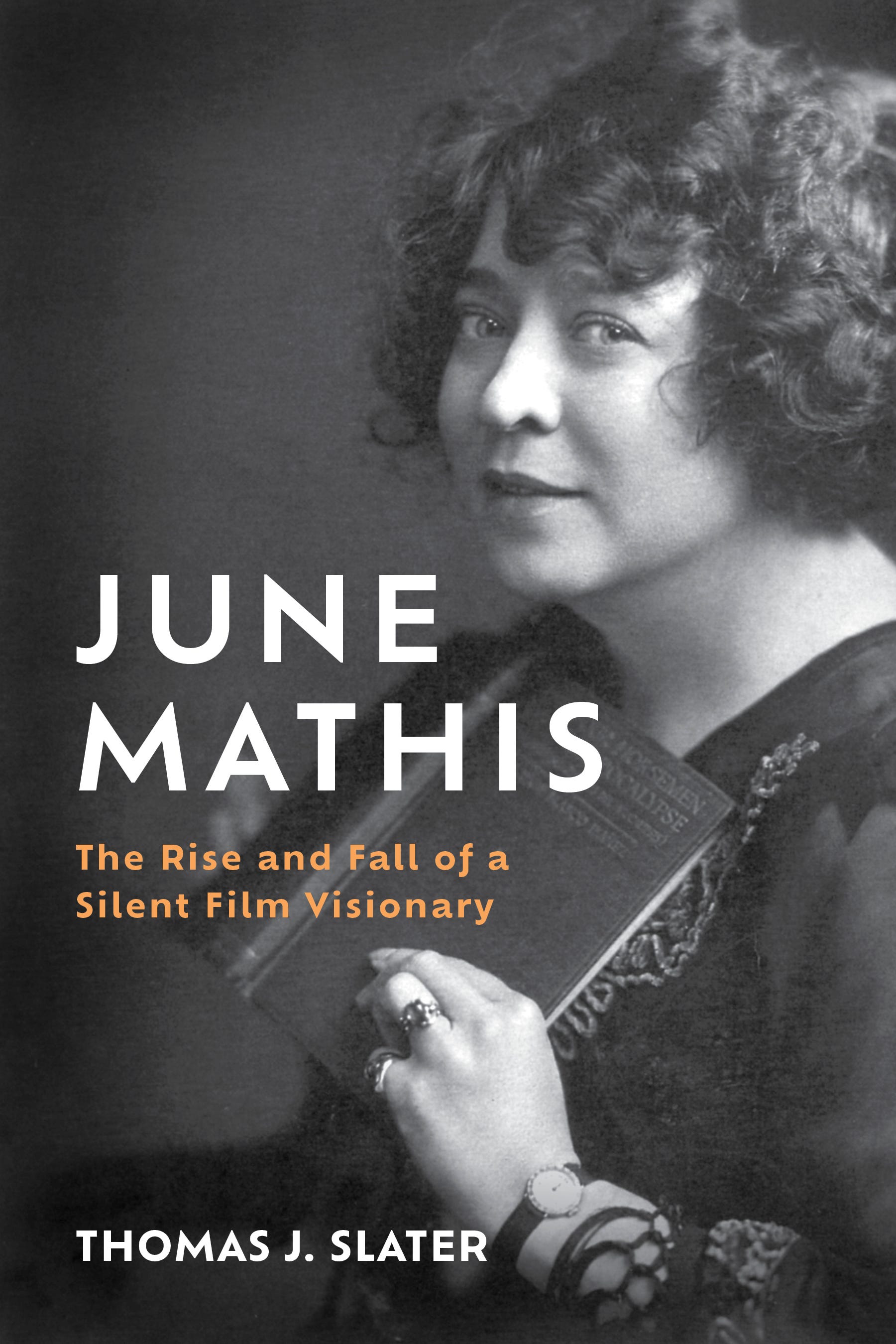
This month, a biography by film scholar Thomas J. Slater brings her revolutionary career to life. June Mathis: The Rise and Fall of a Silent Film Visionary chronicles how she brought feminist and anti-war themes into the mainstream, but also engages honestly with her prejudices, particularly Mathis’ use of racist stereotypes.
Modern Hollywood is still reckoning with the issues that made Mathis’ filmmaking so significant. And while Slater’s biography is admittedly not for everyone, being quite dense and scholarly, for the committed reader, there are fascinating insights in store.
Order your copy of June Mathis: The Rise and Fall of a Silent Film Visionary here.